symptoms of ketosis in cattle Knock out ketosis
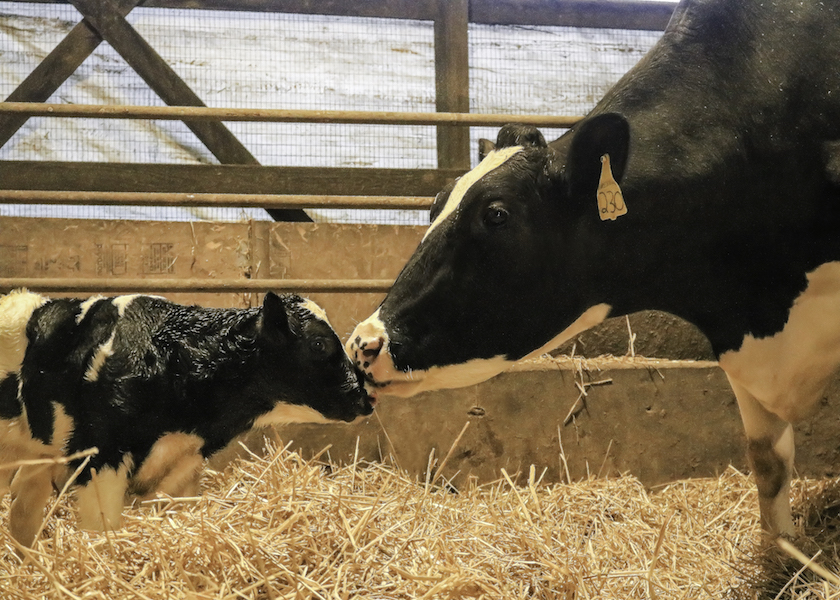
Ladies and gentlemen, let’s talk about Ketosis in our beloved bovines. Firstly, let’s clarify what Ketosis is, and no, it is not a new exotic disease that just arrived. Ketosis is a metabolic disease that is becoming increasingly common in high-producing dairy cows, mainly in the early postpartum period.
The Science Behind Ketosis
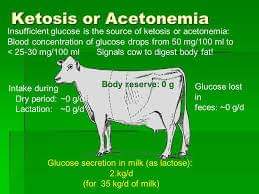
When cows calve, they enter a negative energy balance, meaning they consume less energy than their body needs. To cope with this, their body starts mobilizing body fat to produce energy, which also causes a build-up of ketones in the bloodstream, leading to ketosis. There are two types of ketosis: clinical and subclinical.
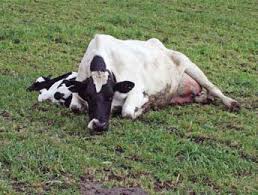
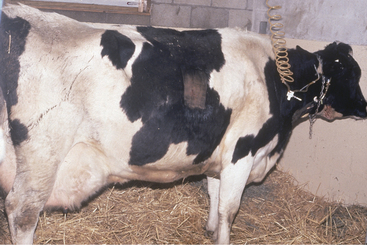
Cows that show clinical signs of ketosis are less likely to eat or drink, and they can develop a unique sweet-smelling breath, reduced milk production, and even neurological problems such as aggression or disorientation. On the other hand, subclinically affected cows often go unnoticed, but they can experience reduced reproductive performance, lower milk production, and hoof problems in the long-term.
Preventing Ketosis
It is essential to prevent and manage ketosis effectively to ensure the well-being and productivity of our dairy cows. Several factors can contribute to the development of ketosis, including diet, genetic disposition, and management practices.
Feeding a balanced diet, containing both energy and sufficient fiber, is crucial in preventing ketosis. Providing cows with adequate roughage can help generate and maintain a healthy rumen environment, promoting fiber-digesting bacteria’s growth to support healthy digestion. Meanwhile, making sure cows have access to fresh water and keeping them in a stress-free environment could also play a role in their overall health and decreased risk of ketosis.
Conclusion
In conclusion, Ketosis might appear like another scary disease, but with proper care and management, it can be easily prevented. By promoting a balanced diet, sufficient fiber, and a stress-free environment for our beloved cows, we can help them lead a happier and healthier life, while also ensuring their productivity and quality of life. And if any of you are worried, know that Ketosis is not contagious and only affects cows, yet another excellent reason to appreciate our bovine friends.
 Additional Resources
If you want to learn more about the topic, here is a resourceful book that can help guide you:
 Don’t hesitate to investigate further and reach out to your local veterinarian for any queries or concerns.
If you are looking for Metabolic Diseases | Veterian Key you’ve visit to the right place. We have 5 Images about Metabolic Diseases | Veterian Key like Knock Out Ketosis | Dairy Herd, KETOSIS (ACETONAEMIA) IN DAIRY CATTLE – Pashudhan praharee and also vet science: Ketosis (Acetonaemia) in Cattle. Here you go:
Metabolic Diseases | Veterian Key
veteriankey.comketosis cow diseases metabolic figure
Vet Science: Ketosis (Acetonaemia) In Cattle
vet-science.blogspot.comketosis cattle vet science
KETOSIS (ACETONAEMIA) IN DAIRY CATTLE – Pashudhan Praharee
 www.pashudhanpraharee.comketosis cattle dairy singh dr ajeet livestock consultant gorakhpur
Knock Out Ketosis | Dairy Herd
 www.dairyherd.comketosis knock
Hyperglycemia Facts ,- Diabetes Support Site
 diabetessupportsite.comketosis ketogenic hyperglycemia charts effects positivehealthwellness omad carb cetosis feedback attribution diets 100healthyrecipes ketobreadrecipes ketogenicdiethealthplan
Ketosis cattle vet science. Ketosis knock. Metabolic diseases